News


Just updated - Optimize Images v2.2.0

Just updated - Optimize Images v2.2.0

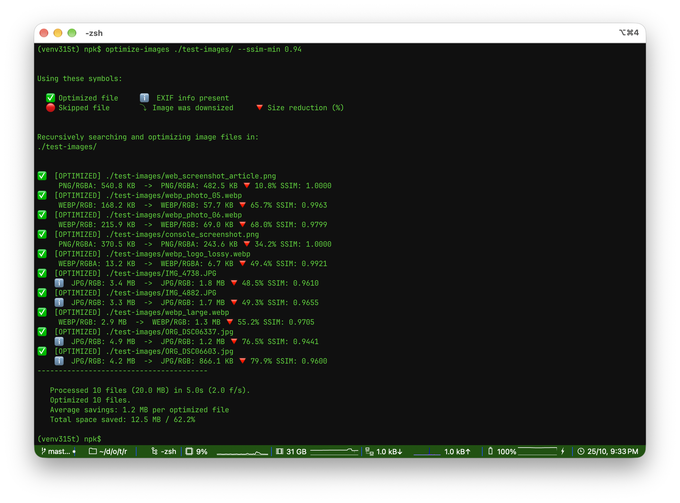
Optimize Images 2.2.0 has just been released, and it makes JPEG files even smaller by default, adds an optional SSIM-based quality check, and now keeps embedded colour profiles such as the Display P3 profile of iPhone photos. It also requires Pillow 13.0.0 for important security fixes, and makes batches and watch mode more reliable.
Reading time: 11 minutes
Optimize Images X adds internationalization

Optimize Images X adds internationalization

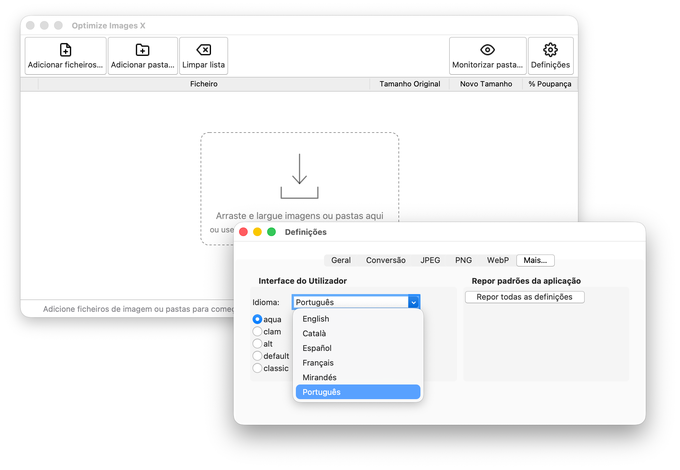
Optimize Images X, the multi-platform desktop application that helps you reduce the file size of your images on macOS, Windows and Linux, has just been updated to version 2.2.0. This new version adds full internationalization support with some initial translations, plus a handful of minor UI adjustments.
Reading time: 1 minute
Optimize Images X now supports Webp and drag and drop

Optimize Images X now supports Webp and drag and drop

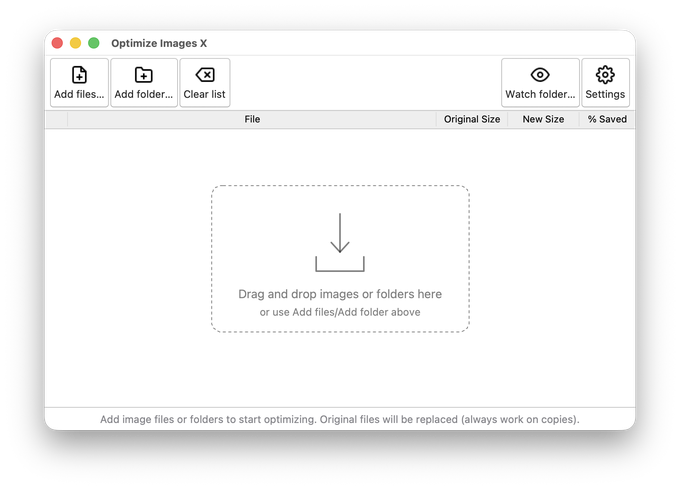
Optimize Images X, the multi-platform desktop application that helps you reduce the file size of your images on macOS, Windows and Linux, has just been updated to version 2.1.0. This new version adds drag-and-drop, conversion to more output formats, including WebP and AVIF, a new image info window with a readable EXIF report, and a PyInstaller spec file for building standalone executables.
Reading time: 3 minutes
Just updated - Optimize Images v2.1.0

Just updated - Optimize Images v2.1.0

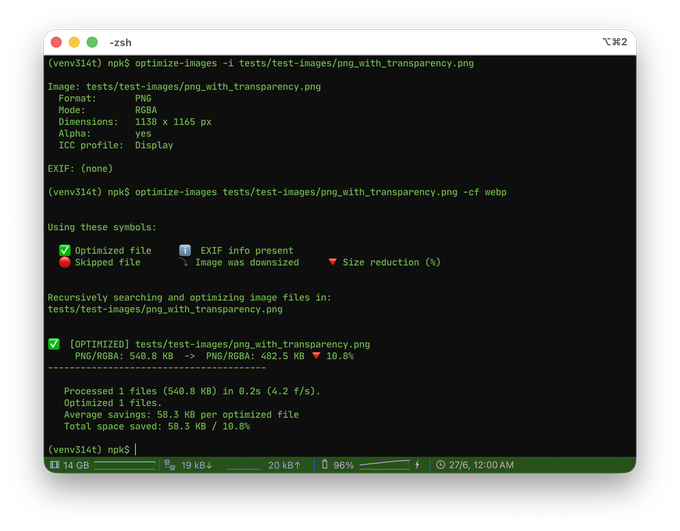
Optimize Images 2.1.0 brings native WebP support, a generalized format-conversion system, on-demand image inspection with EXIF reporting, and a new in-memory API for working with image bytes directly. It is a focused, fully backwards-compatible step forward for the command-line tool and its public API.
Reading time: 3 minutes
Just updated - both Optimize Images and Optimize Images X

Just updated - both Optimize Images and Optimize Images X

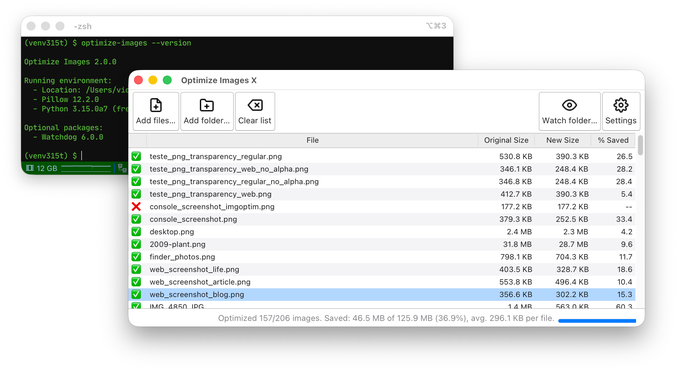
This release represents a significant milestone for both Optimize Images and Optimize Images X, marking a coordinated step forward in modernization, dependency cleanup, and internal architecture improvements across the ecosystem.
Reading time: 2 minutes

▲